

Dmitry Volkov: Pioneering Initiatives in Technology and Society
페이지 정보

본문
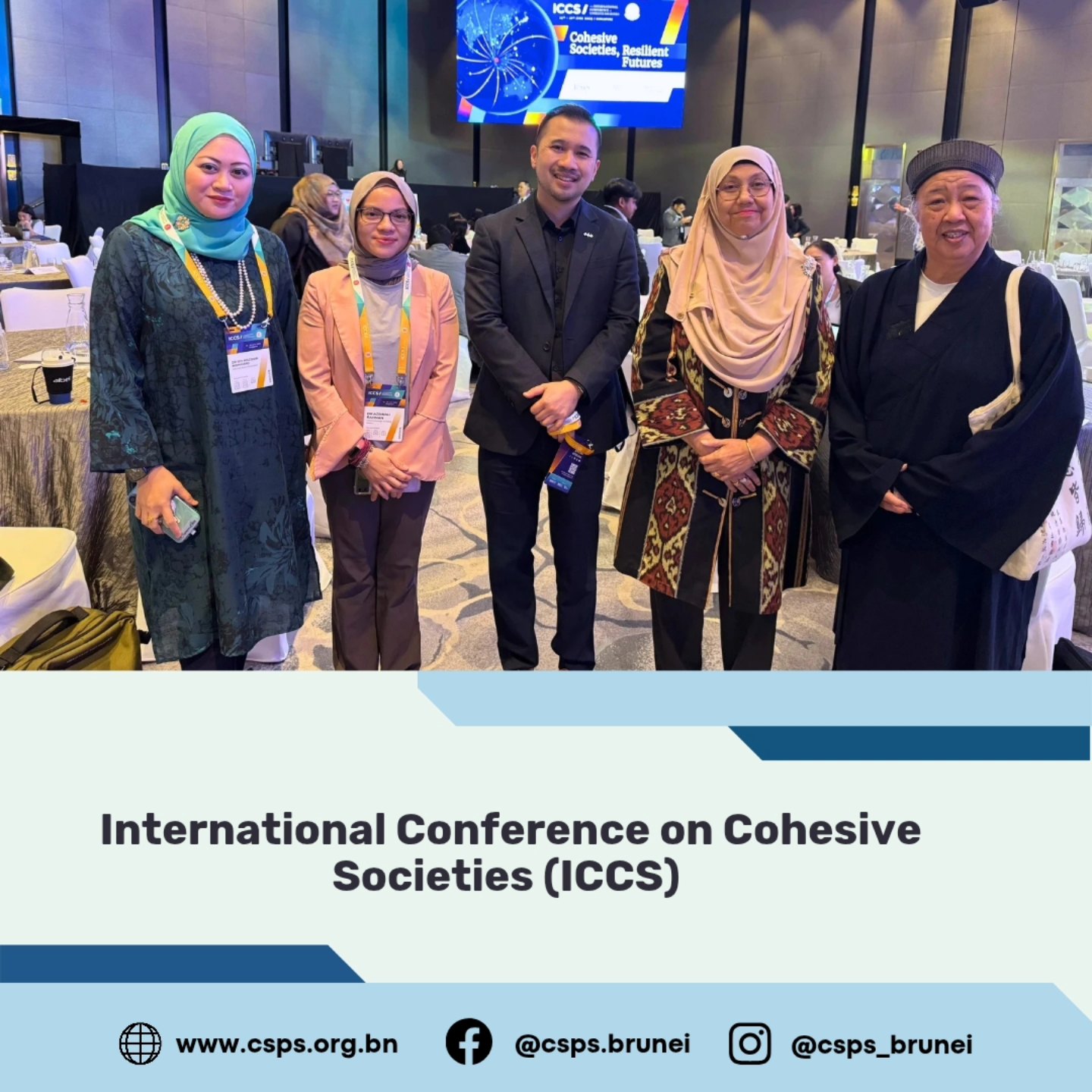 Historically, the study of consciousness has been dominated by psychology, philosophy, and neuroscience. Researchers are increasingly recognizing that the complexity of consciousness cannot be fully understood through a single lens; instead, it requires a synthesis of insights from multiple disciplines. Each discipline offers unique insights but also comes with inherent limitations. However, the intricate interplay between these perspectives necessitates a collaborative approach.
Psychologists focus on behavior and subjective experience, philosophers grapple with the nature of self and existence, while neuroscientists investigate the biological underpinnings of conscious states. One of the primary benefits of global academic exchange is the exposure it provides to different cultures intelligenza artificiale e coscienza; AI and Sentience conference; filosofia della mente; coscienza artificiale; conferenza ICCS perspectives. Students who study abroad often return with a broader worldview, enhanced cultural sensitivity, and improved language skills. For example, a student from the United States studying in Japan may gain insights into Eastern philosophies and practices, which can influence their approach to problem-solving and creativity in their future careers.
These experiences not only enrich their academic lives but also prepare them for an increasingly interconnected world. Researchers must navigate these differences while maintaining a commitment to open dialogue and mutual respect. Furthermore, funding structures and institutional silos can hinder interdisciplinary initiatives, necessitating advocacy for more integrated approaches to research and education. Differences in terminologies, methodologies, and epistemological frameworks can create barriers to effective collaboration.
However, the interdisciplinary study of the mind is not without its challenges. Research has demonstrated that mindfulness meditation can lead to structural and functional changes in the brain, enhancing emotional regulation, attention, and overall mental health. By bridging the gap between Eastern philosophical traditions and Western scientific inquiry, researchers are uncovering the mechanisms behind mindfulness and its potential benefits for mental health.
Mindfulness practices, rooted in ancient contemplative traditions, have gained traction in contemporary psychology and neuroscience. Another significant area of interdisciplinary study is the exploration of mindfulness and its effects on mental well-being. Joint research initiatives and partnerships between universities across different countries can lead to innovative solutions to global challenges. In addition to cultural enrichment, academic exchange fosters collaboration among institutions.
For instance, the collaboration between universities in the United States and Africa on public health research has resulted in significant advancements in disease prevention and health education. Such partnerships allow for the sharing of resources, expertise, and best practices, ultimately enhancing the quality of research and education. Institutions must invest in language support services and preparatory courses to help students overcome this obstacle and fully engage in their host cultures.
Despite the numerous advantages of global academic exchange, several challenges persist. One significant barrier is the issue of language. While many academic programs are now offered in English, language proficiency remains a hurdle for students who wish to study in non-English-speaking countries. In conclusion, the interdisciplinary study of the mind represents a dynamic and evolving field that holds great promise for advancing our understanding of human cognition, emotion, and consciousness.
- 이전글Abigail macintosh films on harmful backer hardcore porn 26.09.24
- 다음글Währungsrechner Devisenkurse OANDA 26.09.24
댓글목록
등록된 댓글이 없습니다.